
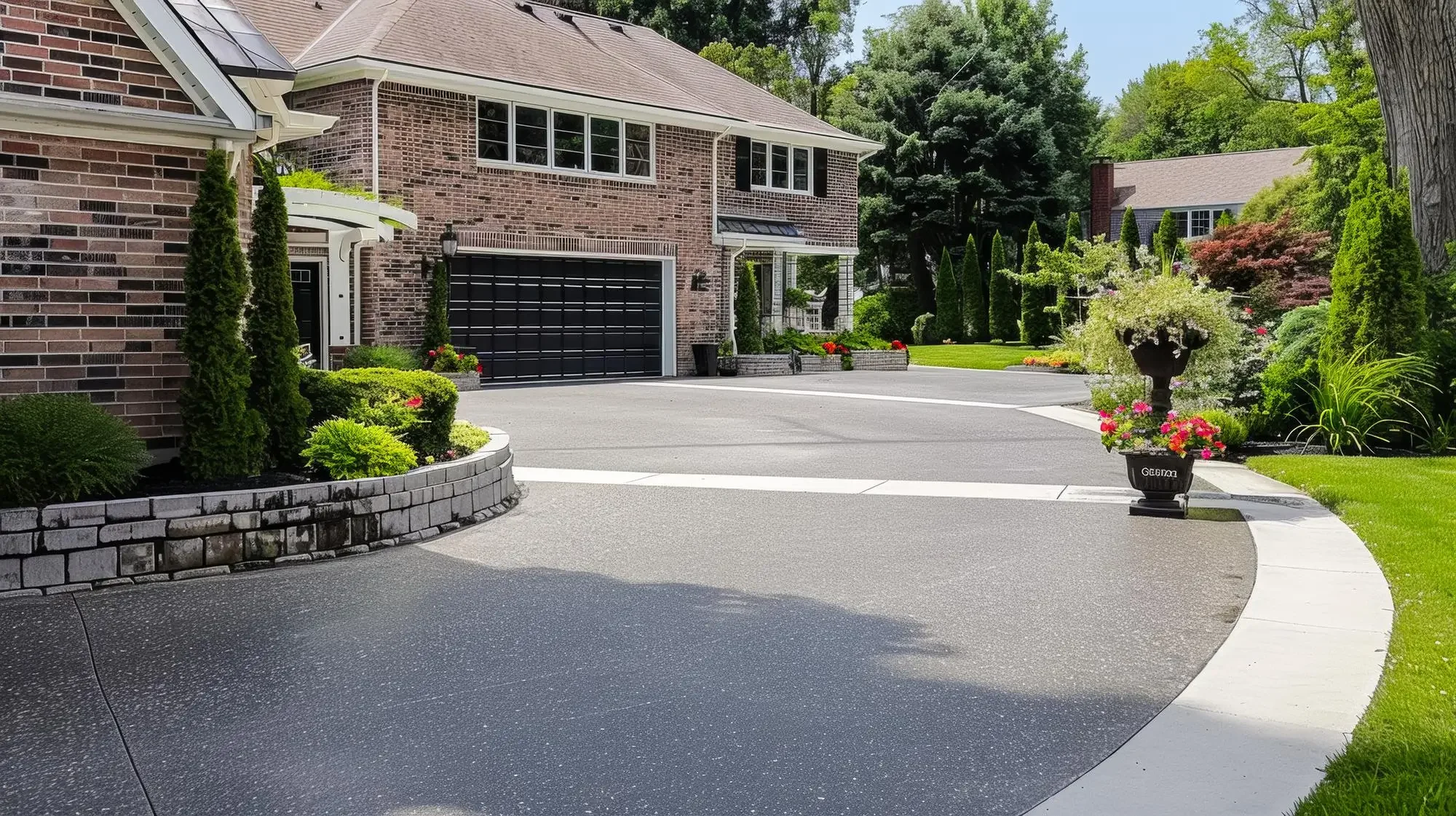
Concrete driveway
replacement and installation in Haslet, TX
K4 Build Group removes and replaces cracked or settling driveways, pours new driveways and adds widenings, extensions, parking pads and RV pads across Haslet, Keller, Southlake and Fort Worth. Thickness and reinforcement are matched to what you park on it.
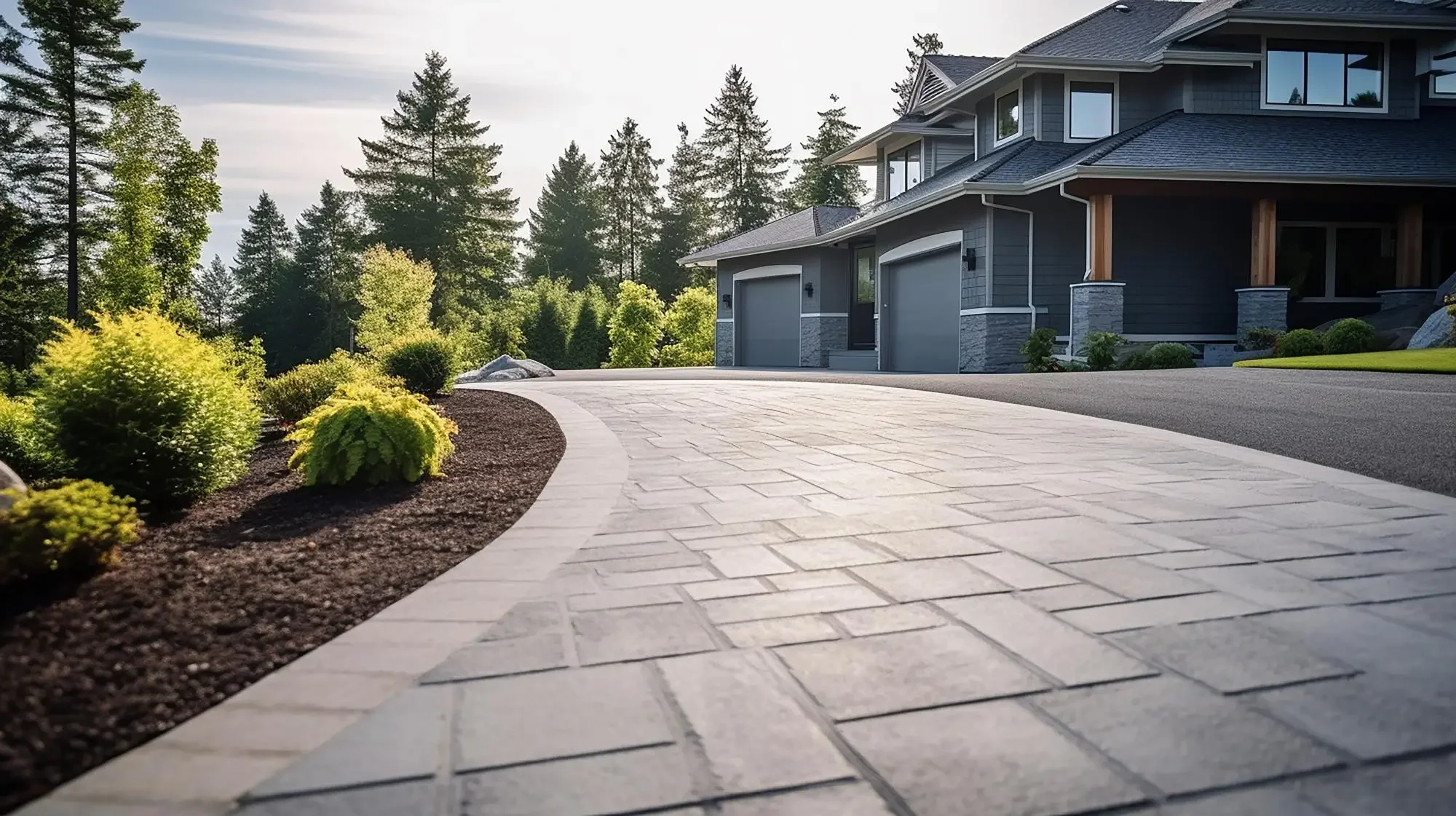
A driveway that carries what you actually drive
Your driveway takes more abuse than any other concrete around your home. It carries the full weight of your vehicles every day, sits in direct sun and takes runoff from the roof and yard. In North Texas it also sits on clay that moves with every wet spring and dry summer. Many driveways in older neighborhoods were poured thin, on a poor base, for smaller cars than people drive today. That's why so many are cracked into slabs, sunk at the garage or broken at the street.
When we replace a driveway, we don't just pour new concrete in the same spot. We find out why the old one failed, whether that's a soft subgrade, poor drainage, thin concrete or tree roots, and fix it before the new pour. Then we build the new driveway for the vehicles you have now and the ones you might have later, including trucks, trailers and RVs.
What a K4 driveway replacement includes
1
Evaluation
We look at why the old driveway failed: drainage, subgrade, thickness or roots.
2
Demo and haul-off
The old concrete is broken out, loaded and recycled or disposed of.
3
Subgrade repair
Soft or pumping soil is removed and replaced, and the subgrade is compacted.
4
Reinforcement
Steel sized for your vehicles, on supports so it sits in the slab.
5
Forms and slope
Set so water sheds away from the garage and toward the street or yard drainage.
6
Dowels
Steel dowels into the garage slab and any concrete that stays, so sections don't shift apart.
7
Pour, finish and joints
Broom finish standard, with decorative options, and control joints placed and cut on time.
8
Curing, cleanup and backfill
Edges backfilled, site cleaned and a clear date for when you can drive on it.
Repair, resurface or replace?
| Condition | Best option | Why |
|---|---|---|
| Hairline cracks, level surface | Seal cracks and surface | The base is doing its job, so only the surface needs protection. |
| Worn, stained or dated but level and sound | Resurface or overlay | A new surface bonds to a stable slab for much less than a tear-out. |
| One or two failed sections | Replace those sections | Cut out and re-pour the damaged panels at existing joints. |
| Widespread cracks, sinking or heaving | Full replacement | The base has failed, and patches or overlays will crack again. |
| Driveway too small for your vehicles | Widen, extend or replace | New sections are doweled into existing concrete, or the whole drive is replaced for a uniform look. |
Signs it's time to replace your driveway
Wide or offset cracks
Cracks wider than about a quarter inch, or where one side sits higher than the other, usually point to base failure.
Sunken sections
Low areas that hold water, especially near the garage or at the street.
Heaving
Sections lifted by soil movement or tree roots that create trip edges.
Crumbling or flaking surface
Scaling and spalling that keeps spreading.
Water toward the garage or house
A driveway that slopes the wrong way after settling.
Too small
A driveway too narrow for two vehicles or too short for a full-size truck.
How thick should a concrete driveway be?
Thickness matters more than almost anything else in how a driveway holds up. Going from 4 to 5 inches adds about 25% more concrete but a lot more load capacity. Here's how we match thickness and reinforcement to use.
| What you park | Typical thickness | K4 reinforcement |
|---|---|---|
| Cars, SUVs and light pickups | 4–5 in | 3 rebar, 18 in grid |
| Full-size and work trucks | 5 in | 3 or 4 rebar, 16–18 in grid |
| RVs, boat trailers, equipment | 6 in | 4 rebar, 12–16 in grid |
| Street approach (city right-of-way) | Per city standard, often 6 in or more | Per city standard |
Driveway permits and street approaches
The part of your driveway between the sidewalk or property line and the street, called the approach or apron, usually sits in the city's right-of-way. Most North Texas cities, including Fort Worth, Keller and Southlake, require a permit and specific construction standards for work in that area, and some require inspections before the pour. Rules differ from city to city and sometimes by street. Work that stays entirely on your property is often simpler, but HOA approval may still be needed for changes to the size or look of your driveway.
Driveway options and add-ons
Widening
Add a strip along one or both sides to fit a second vehicle or make getting in and out easier. New concrete is doweled to the existing slab.
Circular and side-entry drives
New layouts that improve access and curb appeal
Extensions and parking pads
Extra parking beside the garage or along the side of the house for a third car, a trailer or guests.
Decorative borders
Stamped or stained borders and bands that dress up a standard broom-finish driveway and hide the transition to older concrete.
RV and boat pads
A 6-inch reinforced pad sized for your RV or trailer, with a clean path from the street and a slope that drains.
Exposed aggregate and stamped surfaces
Decorative finishes for the full driveway, sealed for protection against oil, tire marks and weather.
What to expect during your driveway replacement
Estimate and quote
We measure, check drainage and the condition of the subgrade, and send a written quote with thickness, reinforcement and finish spelled out.
Permits and scheduling
We apply for any city permit needed for approach work and schedule your project. We'll talk through where to park while the driveway is out of service.
Demo and prep
The old driveway is removed, the subgrade is repaired and compacted, and forms and reinforcement are set. This usually takes few days.
Pour and finish
Concrete is placed, finished and jointed, usually in one day for most driveways.
Cure and first drive
Barricades stay up while the concrete cures. You can walk on it in 24–48 hours and drive a car on it after about 7 days.
What affects the cost of a driveway replacement
Driveway replacement from K4 typically runs per square foot, including removal of the old concrete. These factors decide where your project falls:
| Factor | Why it changes the price |
|---|---|
| Square footage | Longer and wider driveways cost more in total and less per square foot. |
| Thickness and steel | Heavier vehicles need more concrete and reinforcement. |
| Demo | Thicker or heavily reinforced old concrete takes longer to break out and haul. |
| Subgrade repair | Soft or failed soil has to be removed and replaced before the pour. |
| Approach and permits | City-standard approach work and inspections add time and material. |
| Finish | Borders, stamping and exposed aggregate cost more than broom finish. |
Caring for your new driveway
Wait before driving
About 7 days for cars, and 10–14 days or more for trucks, trailers and RVs.
Skip deicing salts
Especially in the first winter. Use sand for traction during the rare North Texas ice storm.
Stay off the edges
For the first month, keep heavy tires away from the unsupported edges.
Manage water
Keep downspouts and sprinklers from soaking the soil along the driveway edges.
Seal it
A penetrating sealer after the first month helps resist oil, stains and water. Reapply every few years.
Clean spills early
Oil and rust stains are much easier to remove when fresh.
Concrete driveway FAQs
-
Driveway replacement from K4 typically runs per square foot, including removal of the old concrete. A standard two-car driveway usually lands between. Thickness, subgrade repair and street approach work change the total.
-
Wait at least 7 days before driving a car on it, and 10–14 days or longer for heavy trucks, trailers or RVs. Avoid parking right at the edges for the first month while the concrete keeps gaining strength.
-
Most residential driveways take working days for demo, prep and pour, then about 7 days of curing before you drive on it. Permits and inspections for approach work can add time before we start.
-
Hairline cracks and surface wear can be sealed or resurfaced. Individual failed sections can be cut out and replaced. When cracks, sinking or heaving are widespread, the base has failed, and a full replacement is the only lasting fix.
-
Four inches is the minimum for passenger cars, but 5 inches is a better choice for today's trucks and SUVs. RV pads and driveways that carry trailers or equipment should be 6 inches thick with heavier reinforcement.
-
Work in the street approach usually needs a city permit in North Texas, and some cities require one for any driveway replacement. HOAs may also need to approve changes to size or finish.
-
The most common causes are a soft or poorly compacted base, water soaking the clay under the slab, concrete that was too thin for the vehicles on it, missing or poorly placed reinforcement, and control joints spaced too far apart. We check for each of these before replacing it.
-
New concrete starts lighter than weathered concrete and darkens over time. For a closer match, we can add a decorative border or apply a stain or sealer across the new and existing surfaces.
Recent patio projects
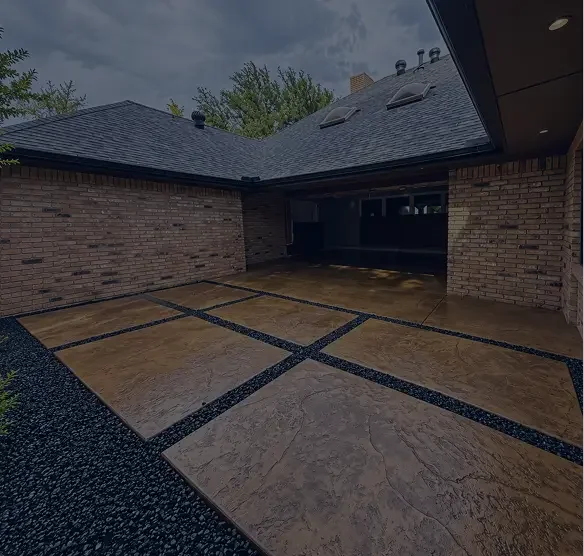
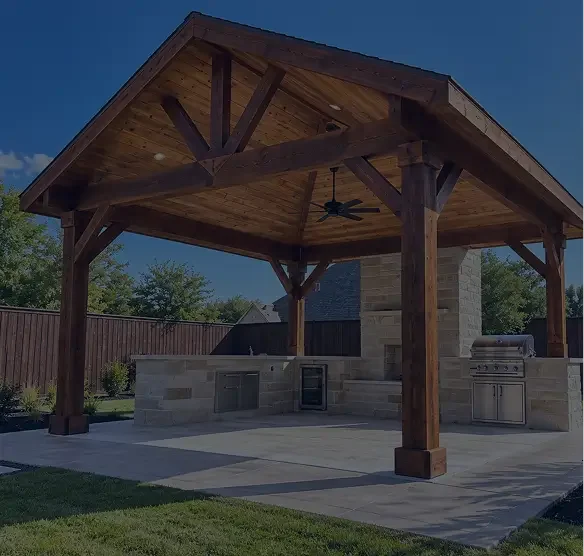
Stamped concrete patio with cedar cover
- Keller, TX
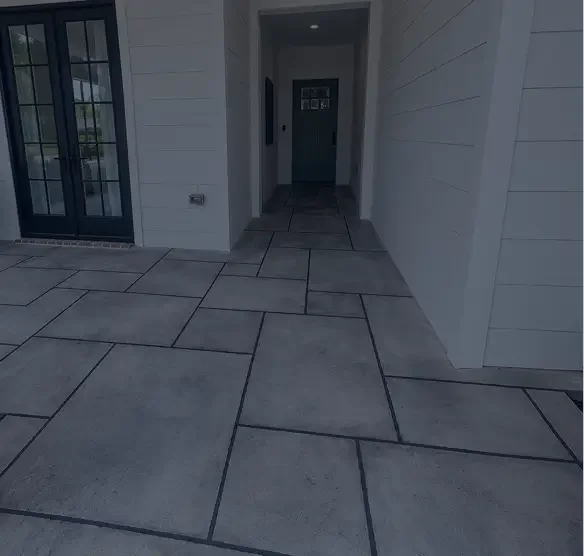
Driveway replacement with RV pad
- Haslet, TX
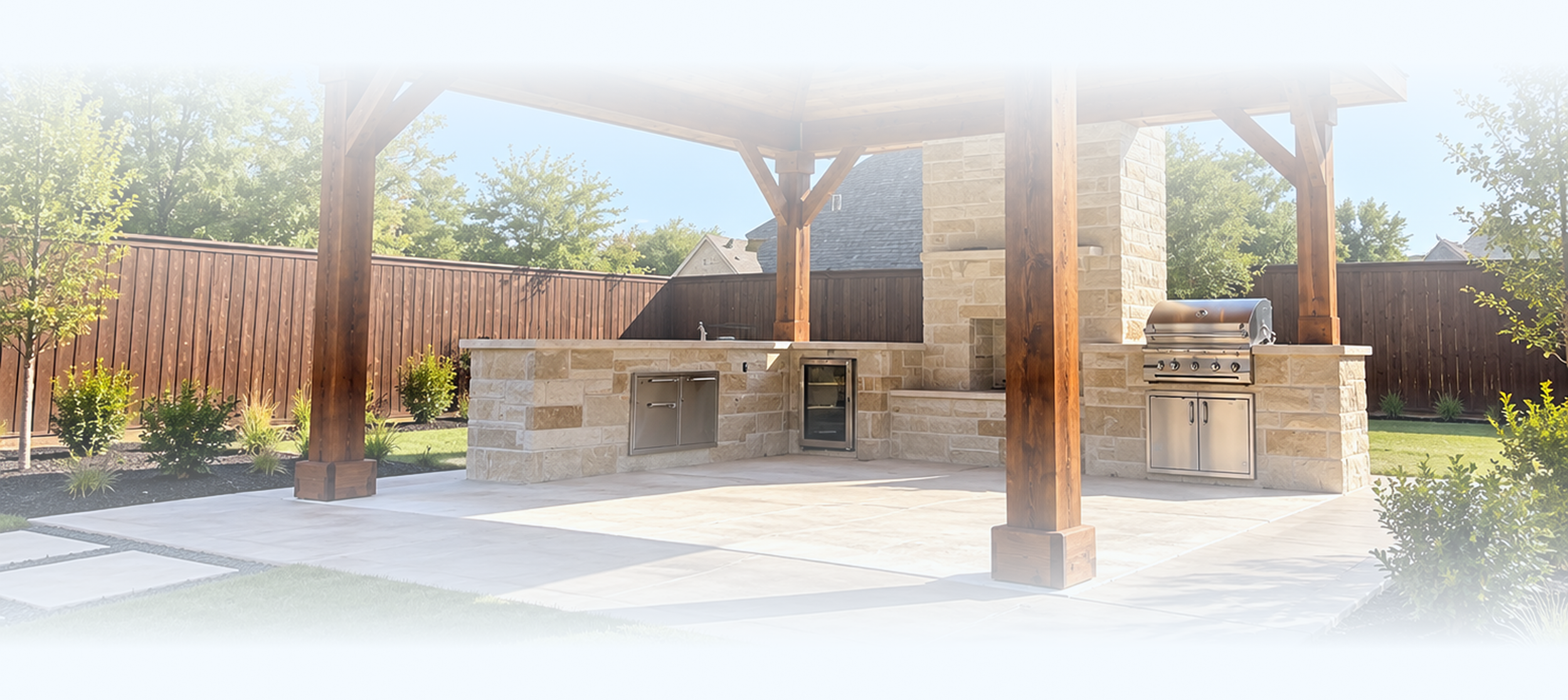
Outdoor kitchen with stone veneer
- Trophy Club, TX
Get a driveway built for what you drive
We'll come measure, find out why your current driveway failed and send a written quote with thickness and reinforcement spelled out.